
Call us: +91 9961300720
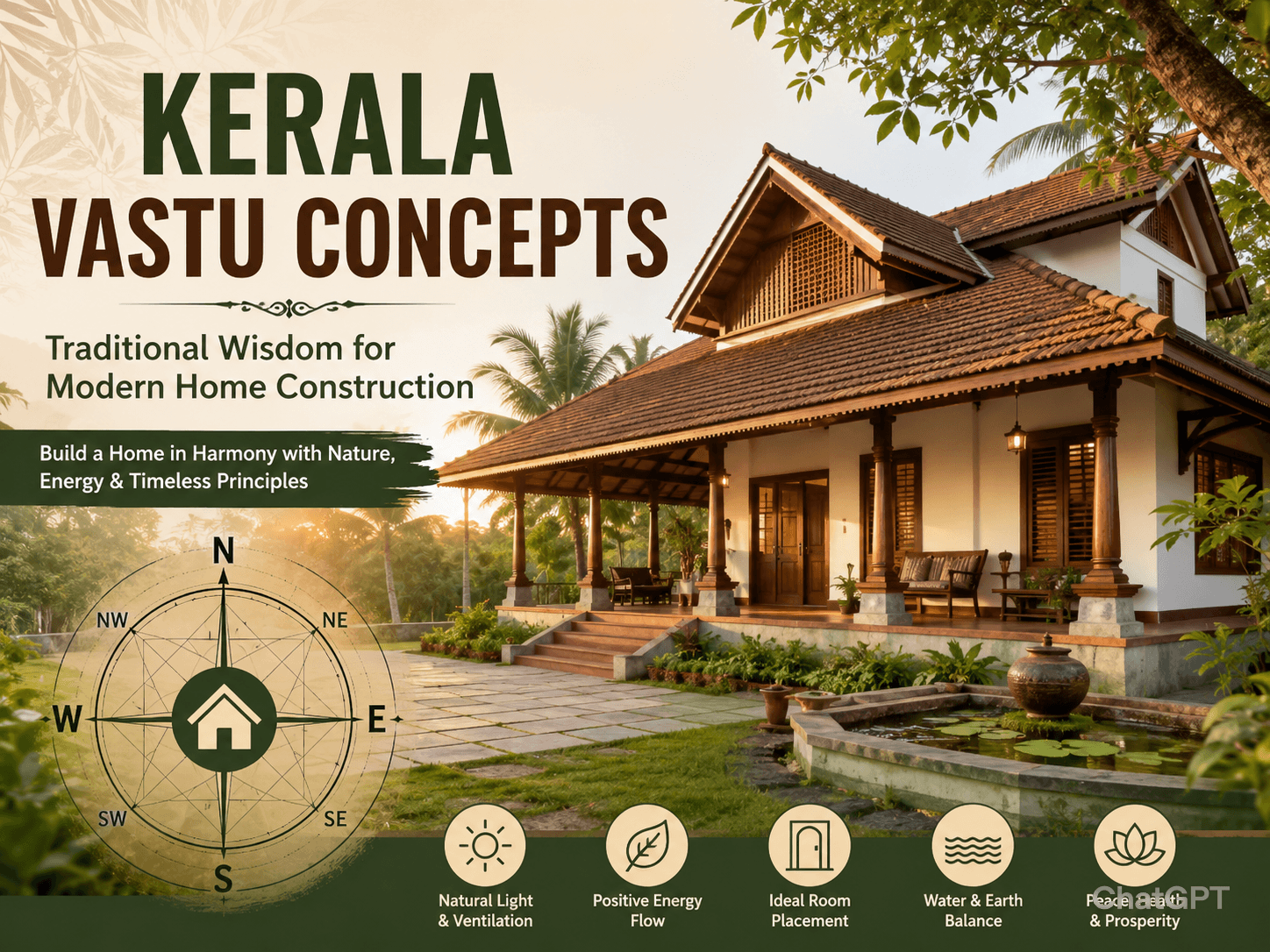

Building a home in Kerala has always been about much more than bricks, concrete, and roofing tiles. For generations, families across the state have relied on Vastu Shastra, a traditional architectural system that seeks harmony between human life, natural forces, and built environments. While some people view Vastu through a spiritual lens, others appreciate its practical principles related to sunlight, airflow, spatial planning, and environmental balance. Interestingly, many of the concepts found in Kerala’s traditional homes were developed centuries before modern sustainability became a popular design trend. Today, architects, builders, and homeowners continue to incorporate these timeless ideas into contemporary residential projects. Whether it is a sprawling ancestral tharavadu or a compact urban villa, Kerala Vastu remains deeply connected to the way homes are designed and experienced. Understanding these principles can help homeowners create spaces that feel comfortable, balanced, and naturally integrated with their surroundings.
Understanding the Foundation of Kerala Vastu
What Is Vastu Shastra?
At its core, Vastu Shastra is an ancient Indian architectural science focused on aligning buildings with natural energies and environmental conditions. The word “Vastu” refers to a dwelling or structure, while “Shastra” means knowledge or science. Together, they form a framework that guides site selection, room placement, building orientation, and overall spatial organization. Traditional Vastu principles are based on the concept of the Panchabhutas—earth, water, fire, air, and space—which are believed to influence the quality of life within a building. Rather than treating a house as an isolated structure, Vastu views it as a living system interacting continuously with the environment. Ancient builders paid close attention to sunlight, wind patterns, land contours, and cardinal directions long before scientific environmental studies became common. These ideas have survived for centuries because many of them contribute directly to practical comfort and efficient living.
How Kerala Adapted Traditional Vastu Principles
Kerala’s geography and climate played a significant role in shaping how Vastu evolved locally. Heavy monsoon rains, high humidity levels, abundant greenery, and coastal weather conditions required adaptations that differed from other regions of India. Traditional Kerala homes incorporated Vastu concepts while simultaneously addressing environmental challenges through architectural innovation. Builders designed steep sloping roofs, large verandas, inner courtyards, and extensive ventilation systems to create comfortable living environments. The result was a unique architectural identity where Vastu principles blended naturally with climate-responsive construction. This combination helped homes remain cool during hot months and protected interiors from heavy rainfall. Many modern architects continue to draw inspiration from these regional adaptations because they offer sustainable solutions that remain effective even today.
Why Vastu Still Matters in Modern Construction
The Connection Between Nature and Living Spaces
One reason Kerala Vastu continues to attract attention is its emphasis on maintaining a relationship between the home and its natural surroundings. Traditional builders understood that people spend a large portion of their lives indoors, making environmental quality a critical factor in overall well-being. Proper sunlight exposure, cross ventilation, natural cooling, and open spaces contribute significantly to comfort and health. Vastu principles encourage layouts that maximize these benefits. For example, strategic room placement allows morning sunlight to enter frequently used spaces while reducing excessive afternoon heat. Open courtyards and large windows encourage airflow throughout the building. Even homeowners who are not particularly concerned about spiritual aspects often appreciate the practical advantages of these design strategies. When viewed from a modern perspective, many Vastu recommendations align closely with sustainable architecture and passive design principles.
Climate-Smart Design Hidden Within Vastu
Modern sustainable construction often promotes concepts such as natural lighting, passive cooling, reduced energy consumption, and environmental integration. Interestingly, traditional Kerala Vastu incorporated many of these ideas centuries ago. The placement of rooms according to directional exposure was not merely symbolic; it often reflected practical observations regarding heat gain and airflow. Courtyards functioned as natural ventilation systems, while sloping tiled roofs protected homes from intense monsoon rains. Thick laterite walls helped regulate indoor temperatures naturally. These design choices demonstrate how traditional wisdom frequently emerged from careful observation of environmental conditions. As construction costs continue to rise and energy efficiency becomes increasingly important, many homeowners are rediscovering the value of these time-tested approaches.
Ideal Plot Selection According to Kerala Vastu
Preferred Plot Shapes and Land Characteristics
Before construction begins, Vastu places considerable importance on selecting the right plot. Traditionally, square and rectangular plots are considered the most favorable because they promote balanced energy distribution and efficient planning. Irregularly shaped plots may present challenges in room arrangement and circulation patterns. Kerala builders also evaluate soil quality, surrounding vegetation, drainage conditions, and access routes before recommending a site. A well-proportioned plot allows architects greater flexibility when designing a Vastu-compliant layout. In practical terms, regular plot shapes also simplify structural design, reduce construction waste, and improve space utilization. This demonstrates how traditional recommendations often provide both symbolic and functional benefits. Many experienced architects continue to prioritize plot geometry during the planning stage because it influences virtually every aspect of the final design.
Importance of Slope and Water Flow
Kerala’s monsoon climate makes drainage a critical consideration during site selection. Traditional Vastu recommends avoiding land with problematic slopes or poor water management characteristics. Proper water flow helps protect foundations, reduces moisture-related issues, and prevents flooding during heavy rainfall. In many traditional interpretations, plots that gently slope toward favorable directions are preferred because they facilitate natural drainage. Modern engineers may explain these recommendations through hydrology and soil science rather than energy flow, but the practical benefits remain clear. Poorly drained sites can lead to structural deterioration, mold growth, and costly maintenance problems. By carefully evaluating land characteristics before construction begins, homeowners can avoid issues that may persist throughout the life of the building.
Directional Planning in Kerala Homes
Best Directions for Main Entrance
The main entrance occupies a special place in Kerala Vastu because it serves as the primary connection between the home and its external environment. Traditionally, entrances facing the east, north, or northeast are considered particularly favorable. These directions are associated with positive energy, natural light, and healthy airflow. From a practical perspective, east-facing entrances often benefit from gentle morning sunlight, creating bright and welcoming spaces. North-facing entrances may receive consistent daylight without excessive heat gain. While modern homeowners may prioritize road access or site constraints, architects frequently attempt to align entrance placement with Vastu recommendations whenever possible. Entrance design also influences first impressions, circulation patterns, and overall functionality, making it an important consideration regardless of one’s beliefs about Vastu.
Understanding Energy Flow Through Orientation
Home orientation affects much more than symbolic energy. It determines how sunlight enters the building, influences indoor temperatures, and shapes ventilation patterns throughout the day. Kerala’s traditional builders carefully studied solar movement and prevailing winds before deciding on a building’s orientation. Homes were positioned to maximize comfort while minimizing exposure to harsh environmental conditions. This approach created naturally cooler interiors and reduced reliance on artificial climate control. Modern architects increasingly recognize the value of these strategies, especially in regions where energy efficiency is becoming a major priority. By understanding how orientation affects environmental performance, homeowners can make informed design decisions that enhance both comfort and sustainability.
Room Placement Guidelines in Kerala Vastu
Kitchen Positioning
The kitchen represents the element of fire in Vastu philosophy. For this reason, traditional guidelines recommend placing it in the southeast portion of the house. This location is believed to support positive energy while also providing practical advantages related to ventilation and heat management. In traditional Kerala homes, kitchens were often positioned to allow smoke and cooking heat to disperse efficiently. Modern kitchens may use advanced ventilation systems, but careful placement still contributes to overall functionality. The southeast location remains one of the most commonly followed Vastu recommendations among contemporary homeowners and builders.
Bedroom Placement
Bedrooms are intended to promote rest, relaxation, and stability. Kerala Vastu generally recommends placing master bedrooms in the southwest portion of the home. This area is considered suitable for creating a sense of security and grounding. From a practical standpoint, southwest rooms may experience more stable temperatures depending on site orientation and local climate conditions. Proper bedroom placement can also contribute to privacy and noise reduction, enhancing overall comfort. While modern floor plans vary considerably, many architects continue to incorporate these principles when developing residential layouts.
Living Room and Dining Areas
Living spaces serve as gathering areas where families spend significant amounts of time together. Kerala Vastu often recommends placing these rooms toward the west or northwest sections of the home. These locations help maintain comfortable environmental conditions while encouraging natural movement throughout the building. Open layouts are increasingly popular in contemporary construction, but thoughtful zoning remains important. Effective placement of living and dining spaces can improve circulation, encourage social interaction, and maximize natural lighting throughout the day. Traditional Vastu principles continue to influence these decisions because they align closely with practical design considerations.
Pooja Room Location
In many Kerala households, the pooja room serves as a dedicated space for prayer, reflection, and spiritual activities. Traditional Vastu recommends placing this room in the northeast corner of the house, which is often considered the most sacred direction. This area typically receives gentle morning sunlight, creating a calm and uplifting atmosphere. Even in compact modern homes, architects frequently incorporate small prayer spaces that respect this guideline. The popularity of this recommendation highlights how cultural traditions continue to influence residential design across Kerala.
Traditional Kerala Architectural Elements That Support Vastu
Nadumuttam and Open Courtyards
Few architectural features are as iconic as the nadumuttam, the central courtyard found in traditional Kerala homes. More than a visual centerpiece, the courtyard functioned as a natural ventilation system, bringing light and fresh air into the heart of the house. Families gathered there for daily activities, celebrations, and spiritual practices. The courtyard also helped regulate indoor temperatures by encouraging continuous airflow. Modern interpretations may use atriums, skylights, or open-to-sky spaces to achieve similar effects. As sustainable architecture gains popularity, designers increasingly recognize the environmental intelligence embedded within this traditional concept.
Sloping Roofs and Ventilation Design
Kerala’s famous sloping roofs are not merely aesthetic features. They evolved in response to heavy rainfall and high humidity levels, helping protect structures while improving environmental performance. Large overhangs shield walls from rain and direct sunlight, while high ceilings encourage hot air to rise above occupied spaces. Combined with strategically placed windows, these elements create effective passive cooling systems. Traditional builders understood how architectural form could work with natural forces rather than against them. This philosophy remains highly relevant today as homeowners seek durable, energy-efficient construction solutions.
Common Kerala Vastu Mistakes to Avoid
Entrance and Bathroom Errors
Many homeowners begin thinking about Vastu only after construction has started, which often limits available options. Experts frequently identify poor entrance placement and problematic bathroom locations as common mistakes. Toilets positioned directly opposite entrances or in sensitive areas such as the northeast corner are traditionally discouraged. Bathrooms located beneath staircases are also considered undesirable in many Vastu interpretations. While some issues can be corrected through design modifications, addressing them during the planning phase is usually more effective and cost-efficient. Early coordination between homeowners, architects, and builders can prevent unnecessary complications later in the project.
Ventilation and Space Planning Issues
Another frequent mistake involves prioritizing floor area over environmental quality. Overcrowded layouts, inadequate window placement, and poor circulation patterns can reduce comfort significantly. Traditional Kerala homes emphasized openness, airflow, and visual connection to outdoor spaces. Modern construction sometimes sacrifices these qualities in pursuit of maximum built-up area. However, a larger house does not necessarily create a better living experience. Well-planned spaces with abundant natural light and ventilation often feel more comfortable than significantly larger but poorly designed homes. This is one area where traditional Vastu principles continue to offer valuable lessons for contemporary construction.
Blending Kerala Vastu with Contemporary Architecture
Today’s homeowners rarely want exact replicas of centuries-old houses. They seek modern conveniences, contemporary aesthetics, and efficient use of space. Fortunately, Kerala Vastu is flexible enough to adapt to changing lifestyles. Architects increasingly combine traditional directional planning with modern materials, smart home technology, and minimalist design concepts. Open-plan living spaces, energy-efficient windows, solar integration, and sustainable materials can coexist comfortably with Vastu-based layouts. The goal is not rigid adherence to every traditional rule but thoughtful integration of principles that improve comfort, functionality, and environmental performance. When approached intelligently, Vastu becomes less about superstition and more about creating homes that respond effectively to both human needs and natural conditions. Kerala’s architectural heritage demonstrates that tradition and innovation do not have to compete; they can work together to produce spaces that feel timeless and relevant at the same time.
Conclusion
Kerala Vastu represents a fascinating blend of architectural wisdom, environmental awareness, cultural heritage, and practical design thinking. While interpretations may vary, many of its principles remain surprisingly relevant in modern construction. Concepts such as proper orientation, natural ventilation, strategic room placement, and climate-responsive design continue to influence successful residential projects across Kerala. Whether viewed through a spiritual, cultural, or architectural perspective, these ideas encourage homeowners to think more carefully about how their living spaces interact with the natural world. By combining traditional Vastu concepts with contemporary construction techniques, it is possible to create homes that are comfortable, sustainable, beautiful, and deeply connected to Kerala’s rich architectural legacy.